#ActForHumanity.
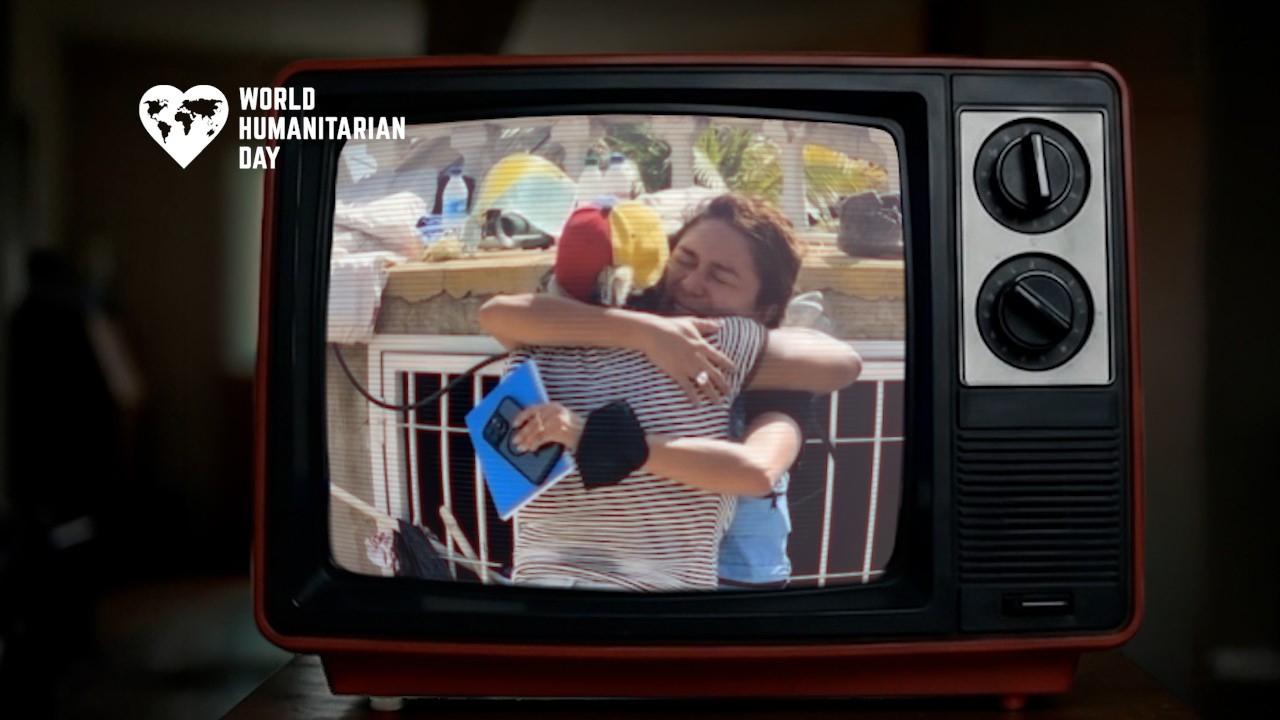
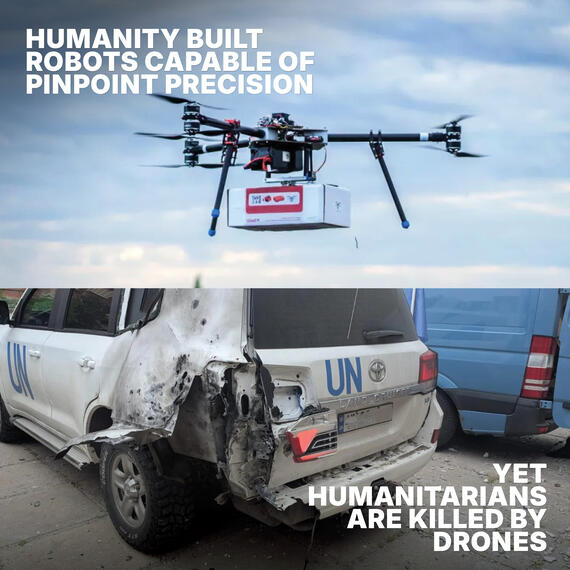
From armed drones to emerging technologies, the nature of war is changing. Our humanity cannot. When misused, these technologies put civilians and humanitarians in even greater danger.
Humanitarians continue to be killed, injured, detained and blocked from reaching people in need.
The laws exist. The commitments exist. What is missing is consequence.
Concern is not protection. Condemnation is not accountability.
Those with power and influence must act. Protect civilians and humanitarians. Enable humanitarian access. Investigate violations. Hold perpetrators to account.
The time for concern is over. The time for consequence is now.
How can you help?
We are not powerless. People everywhere must demand protection – and reject excuses when it’s denied.
Use your voice: Demand protection for civilians and humanitarian workers. Share the campaign using #ActForHumanity and ask leaders what they are doing to uphold international law and ensure accountability.
Support humanitarians at risk: Your donation helps provide psychological support and legal assistance, and advocates for the release of detained humanitarians. Donate to a cause.
Humanitarians under attack
Attacks harming humanitarians have become common and can be a violation of International Humanitarian Law (IHL).
In 2025, 1,187 aid workers faced major security incidents: 350 were killed, 322 wounded, 235 kidnapped, and 280 detained or arrested. Most were local staff serving their own communities.
By August 2026, more than 80 humanitarians have been killed. At least another 90 have been injured or abducted.
The human toll of ignoring IHL
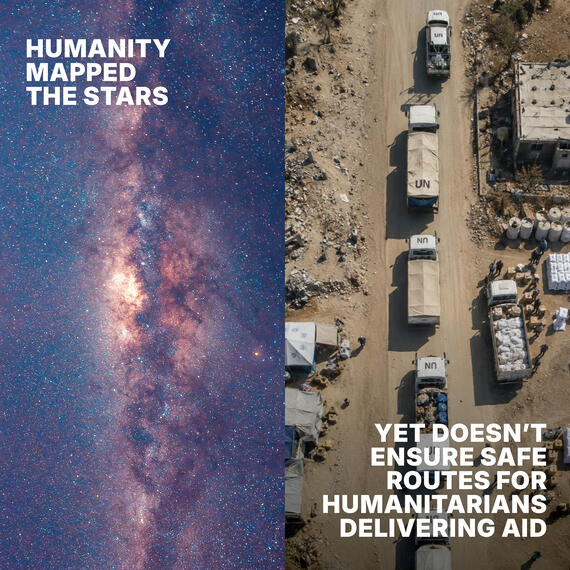
From looting and obstruction to attacks and kidnapping, threats to humanitarian workers' safety and movement compromise a lifeline to millions of people in need.
Clinics close. Food stops. Protection disappears.
The destruction of hospitals, schools and other civilian infrastructure devastates communities for generations.
Humanitarian organizations are working to reach 87 million people facing the most severe needs this year.
Despite the challenges, humanitarians persist in striving to help all those in need.
Who is responsible?
The issue is not the absence of rules. It is the failure to uphold them.
Parties to armed conflict are obligated to uphold IHL.
All States must use their influence to prevent and end IHL violations.
Alleged violations must be investigated and those responsible held to account.
We need political will and courage to ensure respect for IHL.


Comments
Post a Comment